
When people first start thinking about affiliate marketing, it is easy to imagine that success comes from finding a niche with no competition.
A quiet corner of the internet.
A subject people are interested in, products people buy, but hardly any websites already covering it.
That sounds attractive, but in reality, most niches are not empty. The internet has been around for a long time. Millions of pages have already been published. Businesses, bloggers, media companies, forums, YouTubers, brands, universities, trade bodies and specialist websites have all been building content for years.
So when you start a new affiliate website, you are not walking into an empty field.
You are walking into an established neighbourhood.
And that matters.
Because from day one, your website has competition.
Every Niche Is Already Built Up
Imagine your niche as an area of a city.
If your niche is birdwatching, you enter the birdwatching district.
If your niche is telescopes, you enter the astronomy district.
If your niche is darts, gardening, fitness, crafting, cooking, photography, pets, or anything else, you are stepping into a neighbourhood that already exists.
And when you arrive, you see buildings everywhere.
Some are huge skyscrapers. These are the major authority sites. They might be national organisations, universities, trade bodies, large retailers, news outlets, long-established brands, or websites that have been trusted for years.
Some are solid mid-sized buildings. These might be specialist blogs, comparison sites, YouTube channels, forums, newsletters, or affiliate websites that already have hundreds of articles.
Some are smaller buildings. They may be individual bloggers, hobbyists, small businesses, niche creators, or newer websites that are still growing.
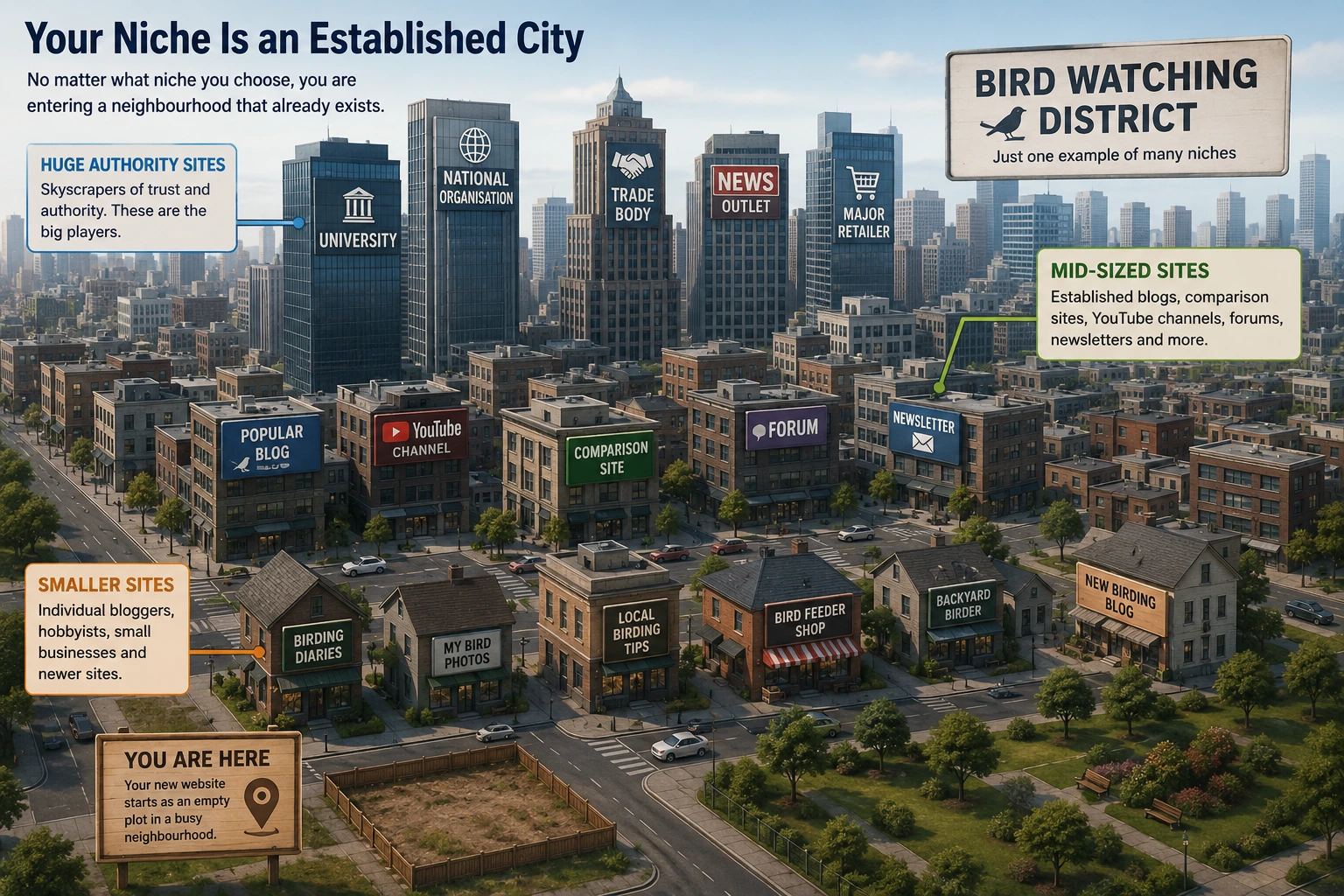
Some buildings are under construction. These are your active competitors. They are not just sitting there with old content. They are still publishing, updating, testing, improving and expanding.
Then there is your new website.
At the beginning, your website is not a tower.
It is not even a finished building.
It is an empty plot of land.
That may sound discouraging, but it is actually one of the most useful things to understand about affiliate marketing.
You are not starting in a vacuum. You are starting in a busy neighbourhood where people already have places to go.
So the question becomes:
Why would anyone notice your site?
You Cannot Just Build Another Dark Building
The mistake many beginners make is thinking they can simply copy what already exists.
They look at other affiliate websites and think:
“I’ll write product reviews too.”
“I’ll create a top 10 list too.”
“I’ll write a beginner guide too.”
“I’ll recommend the same products too.”
But if every other building in the niche is already dark grey, dark blue, dark brown or black, building another dark building does not make you stand out.
It just makes you part of the background.
That is the problem with generic affiliate content.
A new website cannot usually compete by publishing the same kind of article everyone else has already written.
If a major authority site has already written “Best Telescopes for Beginners,” why would Google, Pinterest, or a real human reader choose your brand-new version?
If a large retailer already has a buying guide for binoculars, why would your new website immediately become the obvious place to go?
If ten other affiliate sites already have “Best Darts for Beginners,” why does the world need another article that says almost the same thing?
This is where many affiliate websites fail.
They technically publish content, but they do not give people a strong reason to care.
They are buildings, but they are not memorable buildings.
They exist, but they do not stand out.
Your Website Needs an Angle
This does not mean you cannot compete.
It means you need an angle.
You need a reason for your website to exist beyond simply “I want to make affiliate commissions.”
Your angle is what makes your site different.
It might be your personal experience.
It might be your beginner-friendly explanations.
It might be your honest opinions.
It might be the way you organise confusing information.
It might be your ability to explain a topic in plain English.
It might be that you understand a very specific type of person and the problem they are trying to solve.
In other words, your website needs to become the bright yellow building in the neighbourhood.

It may not be the tallest building.
It may not be the oldest.
It may not have the most authority on day one.
But it is different enough to be noticed.
And in affiliate marketing, one of the best ways to become that bright yellow building is to be genuinely helpful.
The Bright Yellow Building Represents Helpfulness
The bright yellow building is not about being loud.
It is not about using exaggerated claims.
It is not about shouting “Buy now!” louder than everyone else.
It is not about pretending you are an expert when you are not.
The bright yellow building represents something much better:
Helpfulness.
It represents a website that looks at the person on the other side of the computer and asks:
“What are they actually trying to do?”
“What are they confused about?”
“What problem are they trying to solve?”
“What decision are they struggling to make?”
“What would help them move forward?”
“What do they need to understand before a product recommendation would even make sense?”
That is the mindset shift.
You are not just creating content to rank.
You are not just creating content to insert affiliate links.
You are creating content to help a real human being get somewhere.
Maybe they want to start birdwatching.
Maybe they want to buy their first telescope.
Maybe they want to learn darts.
Maybe they want to organise their craft room.
Maybe they want to cook cheaper meals.
Maybe they want to start a hobby website.
Maybe they want to solve a practical problem in their home, garden, business, health, hobby or family life.
Whatever the niche is, there is a person behind the search.

That person is not just a keyword.
They are trying to achieve something.
Your job is to help them get there.
Helpful Content Starts With the Person, Not the Product
A weak affiliate article often starts with the product.
It says:
“Here are the best products. Click here to buy.”
A genuinely helpful affiliate article starts with the person.
It asks:
“What situation is this person in?”
“What do they already know?”
“What do they not understand yet?”
“What mistakes might they make?”
“What would make this easier for them?”
“What should they consider before spending money?”
That approach creates very different content.
For example, a generic telescope article might say:
“Here are the 10 best beginner telescopes.”
A genuinely helpful telescope article might say:
“I wanted to see the Moon and Saturn’s rings, but I found telescope specifications incredibly confusing. This guide explains what beginners actually need to know before buying their first telescope.”
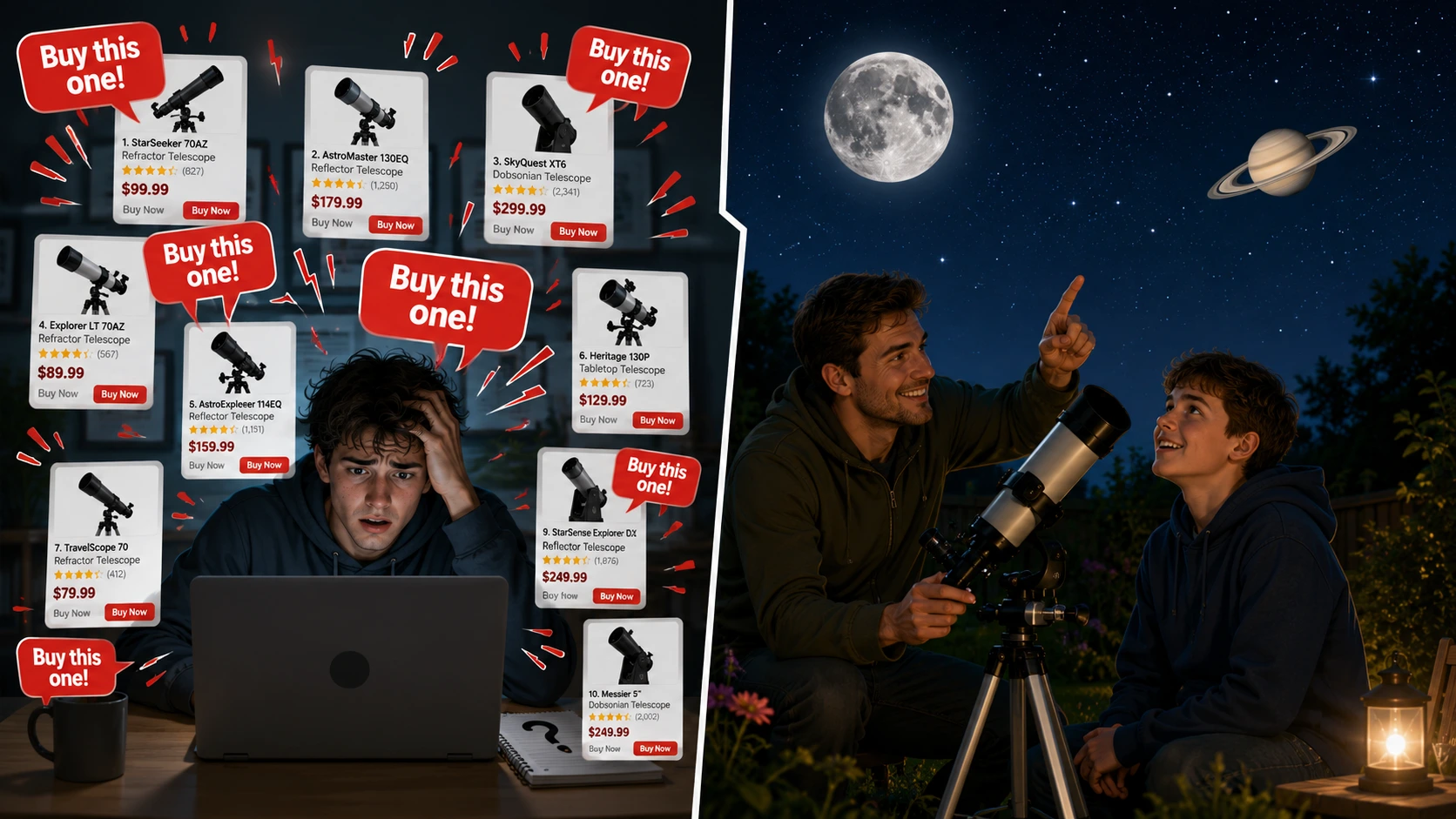
That is a very different angle.
It feels more human.
It feels more useful.
It helps the reader feel understood.
The same applies in almost every niche.
The products may still appear later.
But the content begins with the problem, not the commission.
The Reader Should Feel Helped Even If They Do Not Buy
This is a useful test for affiliate content:
Would the page still be helpful if the reader did not click an affiliate link?
If the answer is no, the content may be too thin.
A genuinely helpful page should give the reader value even before they buy anything.
They should leave with more clarity.
They should understand the topic better.
They should know what to avoid.
They should feel less confused.
They should be closer to making a good decision.
They should feel that a real person has tried to help them.
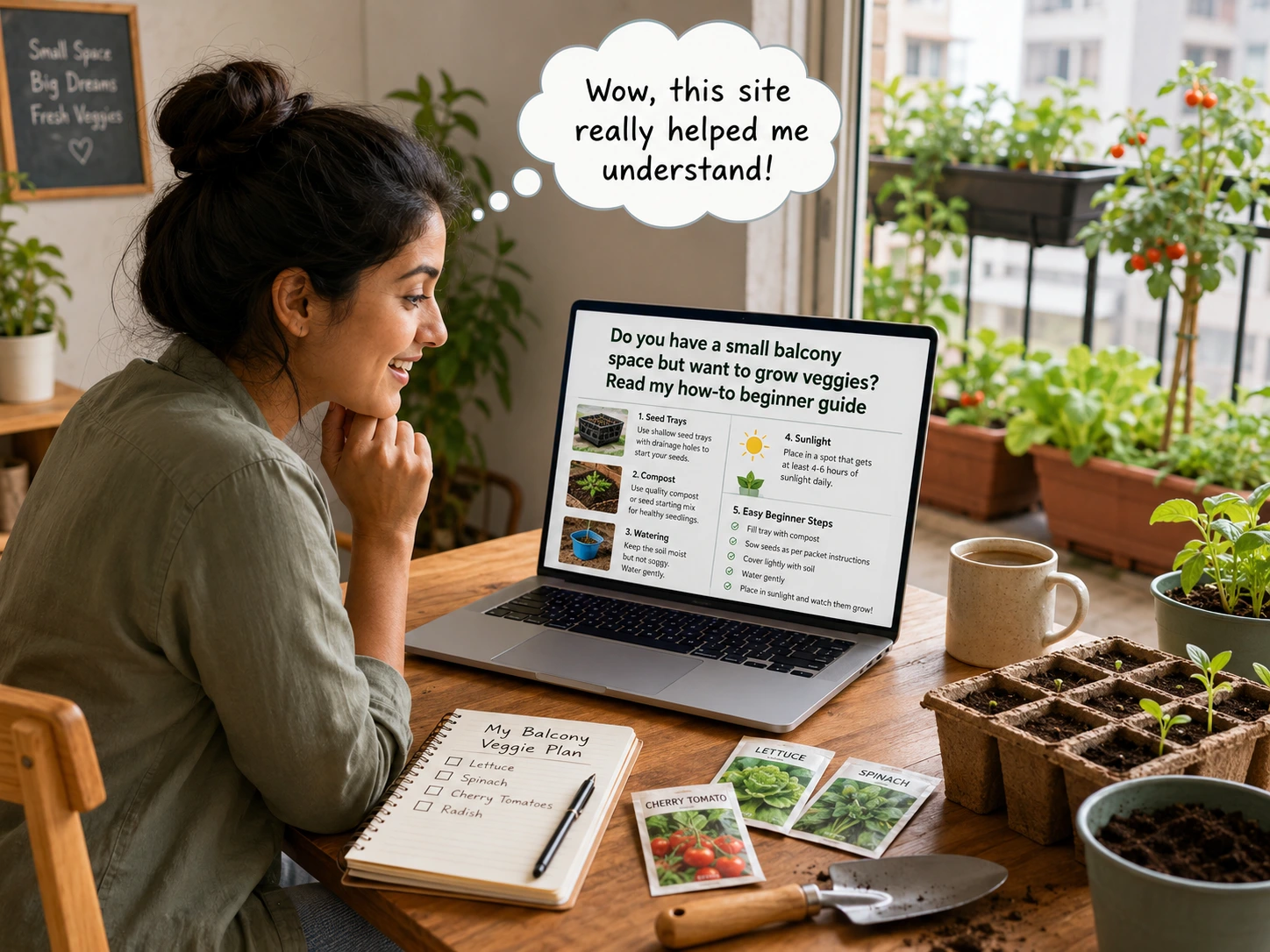
That is how trust starts.
And trust matters because affiliate marketing is not just about getting someone to click once.
It is about becoming a useful source of guidance.
If your site helps someone today, they may return tomorrow.
They may read another article.
They may remember your explanation.
They may trust your recommendation later.
They may share your page.
They may subscribe.
They may come back when they are ready to buy.
That is much more valuable than trying to force a quick click from someone who does not yet trust you.
Your Angle Can Come From Real Understanding
You do not always need to be the world’s leading expert to be useful.
In some niches, expert knowledge matters greatly, especially where safety, health, finance or legal issues are involved.
But in many hobby and consumer niches, being helpful often comes from understanding the beginner’s journey.
You can be useful by saying:
“Here is what confused me at the start.”
“Here is what I wish someone had explained.”
“Here is how I would think about this decision.”
“Here are the questions I would ask before buying.”
“Here is the difference between these options in plain English.”
“Here is what this product is good for, and who it is not right for.”
That kind of content can be extremely valuable because many readers are not looking for the most technical explanation.
They are looking for someone who can help them take the next step.
That is especially true in confusing niches.
A beginner telescope buyer may not need a deep physics lesson on optics.
They may need to know:
“What telescope do I need to see the Moon clearly?”
“Can I really see Saturn’s rings?”
“Do I need a special mount?”
“How much should I spend?”
“What should I avoid buying?”
“How do I actually find planets in the sky?”
Those are human questions.
A helpful website answers them properly.
The Bright Yellow Building Is Built One Page at a Time
A new affiliate website does not become trusted overnight.
You build it one page at a time.
Each useful article is another brick.
Each clear explanation is another window.
Each honest recommendation is another sign of trust.
Each example, checklist, comparison, personal note or practical guide makes the building stronger.

At first, it may still be small.
But if the direction is right, the site starts to develop a clear identity.
People begin to understand what your site is about.
Search engines begin to see the topical focus.
Readers begin to find useful answers.
Your content starts to connect together.
Instead of having a random collection of affiliate reviews, you start building a helpful resource.
That is the difference.
You are not just publishing pages.
You are building a place people can enter, explore and trust.
Build Something Worth Entering
The internet is crowded.
Every niche has competition.
Many of your competitors have been building for years.
Some are huge authority sites.
Some are active creators.
Some are professional publishers.
Some are businesses with real budgets.
Your new website starts as an empty plot in an established neighbourhood.
That is the reality.
But it is not a reason to quit.
It is a reason to build with purpose.
Do not build another dark, forgettable building that looks like everything else.
Build the bright yellow building.
Make your site stand out by being genuinely helpful.
Think about the person on the other side of the computer.
Understand what they are trying to do.
Help them solve a problem, make a decision, start a hobby, avoid a mistake or move closer to the outcome they want.
Then, when a product naturally fits that journey, recommend it honestly and clearly.
That is a better way to approach affiliate marketing.
Not by pretending competition does not exist.
Not by chasing shortcuts.
Not by filling the internet with more thin content.
But by building something useful enough that, even in a crowded neighbourhood, people are glad they found it.