
One of the biggest mistakes people make with affiliate marketing is starting with the product.
They think:
“What can I promote?”
Then they create a review, add a link, and hope someone buys.
That can sometimes work, but it is not the strongest way to think about building a genuinely helpful website.
A better question is:
“What problems are people already trying to solve?”
That one change completely shifts the way you think about affiliate marketing.
Instead of building a site around products, you start building it around people. Their questions. Their frustrations. Their goals. Their confusion. Their next step.
Then, when a product genuinely helps, the recommendation feels natural.

The Better Pathway: Problem, Help, Recommendation
A helpful affiliate website usually follows a simple pathway:
- Find a real problem people have in a niche.
- Create helpful content that explains, guides or solves that problem.
- Recommend useful products or resources only where they genuinely fit.
That is very different from writing thin product reviews for the sake of adding affiliate links.
For example, a weak approach might be:
“Here are the best darts to buy.”
A stronger approach starts with the beginner’s real situation:
“I want to start playing darts at home, but I have no idea what darts to buy, what weight to choose, how to set up the board, or how to learn the scoring.”
That is a much richer starting point.
Now you are not just selling darts. You are helping someone start a hobby.
A Niche Is Not Just a Product Category
This is the key idea:
A niche is not just a product category. It is a world of questions.
When people talk about “choosing a niche,” they often think in very simple terms:
- Darts
- Cooking
- Home organisation
- Gardening
- Dog care
- Fitness
- Photography
- Computers
But each of those niches contains dozens, hundreds, or even thousands of smaller problems and questions.
That is where the content opportunities are.
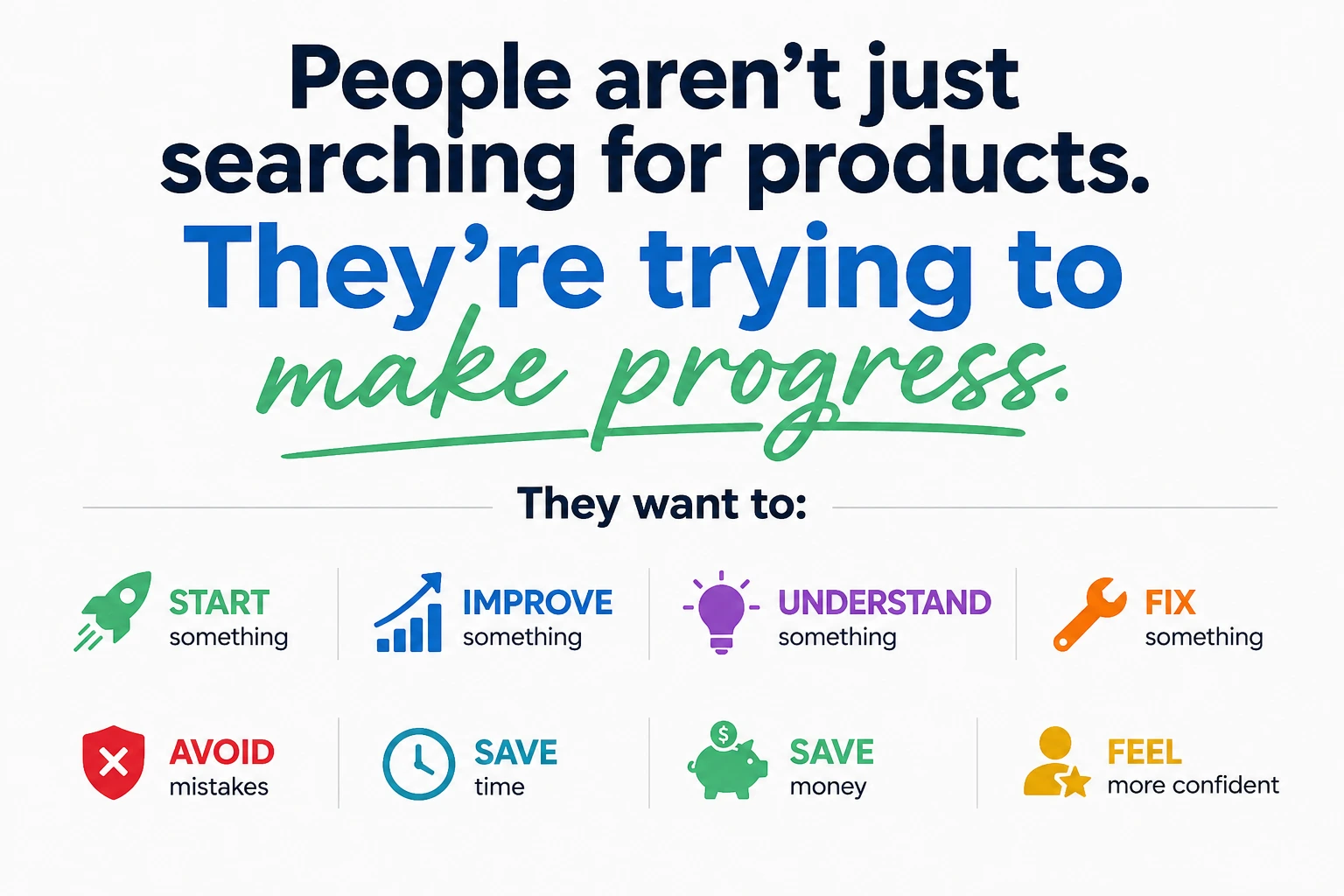
The deeper you look into a niche, the more you realise that people are not just searching for products. They are trying to make progress.
They want to start something, improve something, understand something, fix something, avoid mistakes, save time, save money, or feel more confident.
Your job as a helpful website builder is to find those questions and answer them clearly.
How Many Problems Exist in a Niche?
Usually, far more than you first expect.
Most niches have different layers:
- Beginner questions
- Setup problems
- Buying decisions
- Skill improvement
- Common mistakes
- Maintenance issues
- Confidence problems
- Budget questions
- Comparison questions
- Advanced progression
- Community or event-related questions
Once you start looking, one niche can become a whole map of useful content ideas.
Let’s look at three different examples.
Example 1: Darts
From the outside, darts looks simple.
You throw darts at a board.
But for a beginner, the niche quickly becomes much deeper than that.
A new player may wonder:
- What darts should I buy?
- What weight darts should beginners use?
- What are flights and stems?
- How high should a dartboard be?
- How far away should I stand?
- How do I add up scores quickly?
- How do I learn checkouts?
- How do I practise properly?
- How do I improve my doubles?
- How do local darts leagues work?
- What is Q School?
- What is a PDC Tour Card?
- How do I get tickets for a major darts tournament?
That is a lot of potential content from one niche.
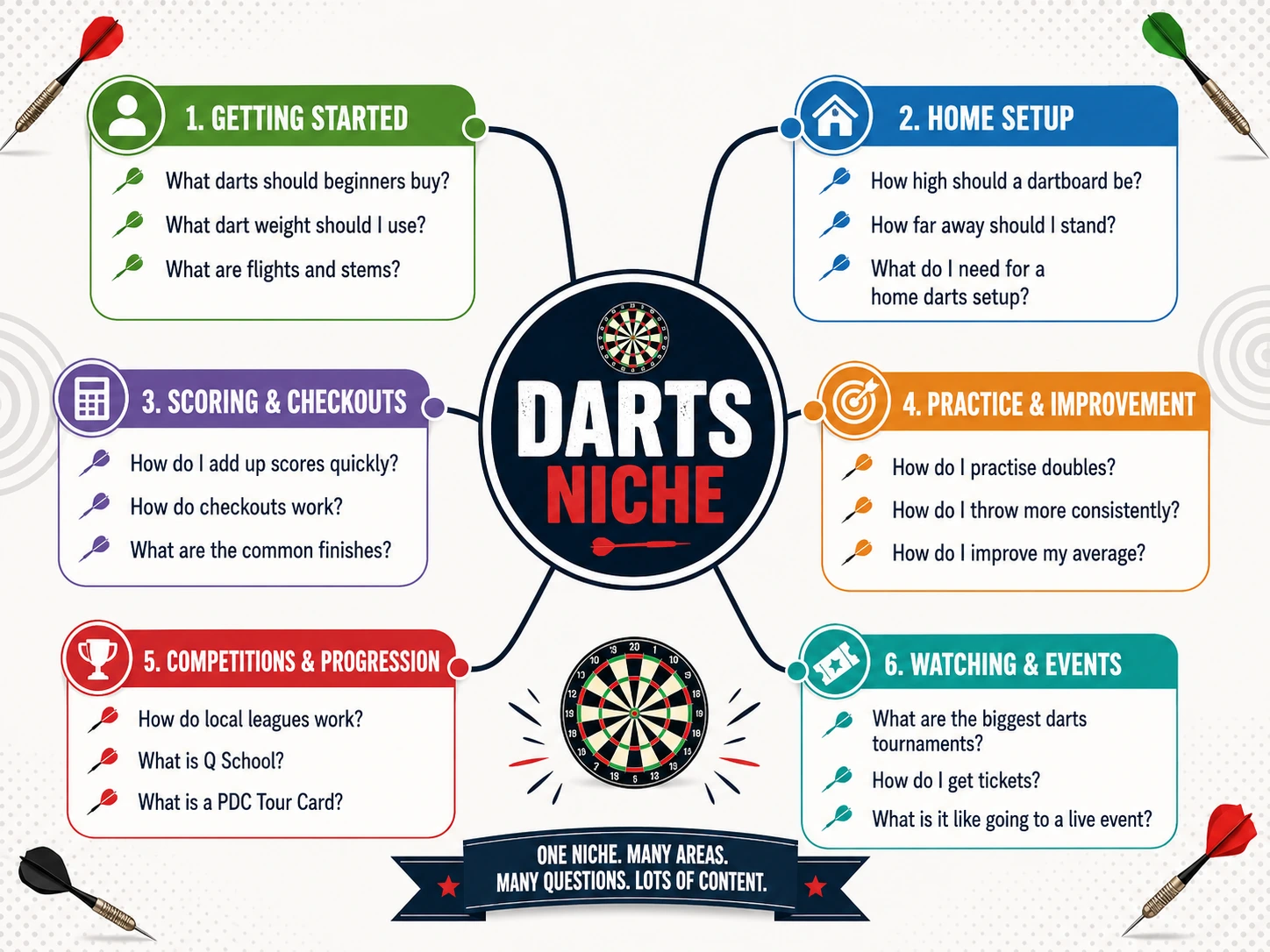
You could break the darts niche into branches like this:
Getting Started
- What equipment does a beginner need?
- How do you set up a dartboard at home?
- What dart weight should you choose?
- What is the difference between flights, stems and barrels?
Improving Your Game
- How do you throw more consistently?
- Why do darts keep landing low?
- What are good practice routines?
- How do you improve your average?
Scoring and Checkouts
- How do you add up scores quickly?
- What are common checkout routes?
- What should you leave after each visit?
- How do you learn darts maths?
Competitions and Progression
- How do local darts leagues work?
- How do amateur players enter competitions?
- What is Q School?
- What is a tour card?
Watching and Experiences
- What are the biggest darts tournaments?
- What is it like going to a live darts event?
- How do you plan a darts weekend away?
- Where are the best places to watch professional darts?
Now the affiliate opportunities become much more natural.
A beginner setup article might recommend a dartboard, darts, a surround, an oche mat and spare flights.
A scoring article might recommend checkout cards, scoreboards, apps or practice sheets.
A tournament travel article might link to tickets, hotels or travel resources.
The products come after the problems.
That is the important point.
Example 2: Home Organisation
Home organisation is another good example because it looks simple at first.
You might think:
“Storage boxes, labels and shelves. That’s it.”
But the real niche is much deeper because people have different organisation problems in different parts of life.
Someone might be struggling with:
- Messy cupboards
- Overfilled drawers
- Lost paperwork
- Children’s school letters
- Craft supplies everywhere
- Tools with no proper place
- Kitchen cupboards that never stay tidy
- Storage boxes where nobody knows what is inside
- Books, games, cables and hobby items taking over the house
That creates lots of content branches.
Cupboard and Drawer Organisation
- How do I organise kitchen cupboards?
- How do I stop drawers becoming messy again?
- What storage boxes work best in small cupboards?
- How do I organise a utility room?
Paperwork and Life Admin
- How do I organise household paperwork?
- What documents should I keep?
- How do I create a simple filing system?
- How do I stop letters piling up?
Family Organisation
- How do I organise school letters and forms?
- How do I keep track of appointments?
- What should go on a family command centre?
- How can I make mornings less chaotic?
Hobby and Craft Storage
- How do I organise craft supplies?
- How do I store sewing materials?
- How do I organise tools?
- How do I store hobby equipment in a small space?
From there, helpful product recommendations fit naturally.
A cupboard organisation article might recommend clear containers, shelf risers, baskets or drawer dividers.
A paperwork article might recommend folders, labels, filing boxes or a simple home printer.
A craft storage article might recommend stackable boxes, storage trolleys, drawer units or a label maker.
Again, the product is not the starting point.
The starting point is:
“I cannot find things in my own home, and I want a simple system that works.”

Example 3: Easy Cooking for Busy People
Cooking is another huge niche, but let’s narrow it down.
Instead of trying to create a general cooking website, imagine a more specific angle:
Easy cooking for busy people.
Now the problems become clearer.
People may be thinking:
- I am too tired to cook after work.
- I spend too much money on takeaways.
- I never know what to cook.
- I waste food because I do not plan meals properly.
- I want to cook cheaply, but I do not want boring food.
- I am not confident in the kitchen.
- I need quick meals the family will actually eat.
- I want to meal prep, but I do not want to spend all Sunday cooking.
That creates several branches.
Quick Weeknight Meals
- What can I cook when I get home tired?
- What are easy meals after work?
- How do I make dinner quicker?
- What meals need very little washing up?
Saving Money
- How do I stop spending money on takeaways?
- How do I cook cheaply for the week?
- How do I reduce food waste?
- What are cheap family meals that still feel satisfying?
Meal Planning
- How do I plan meals for the week?
- How do I batch cook without getting overwhelmed?
- What should I keep in the freezer?
- How do I organise work lunches?
Beginner Cooking Confidence
- What basic kitchen tools do I actually need?
- What are easy recipes for nervous cooks?
- How do I follow recipes without feeling overwhelmed?
- What cooking mistakes should beginners avoid?
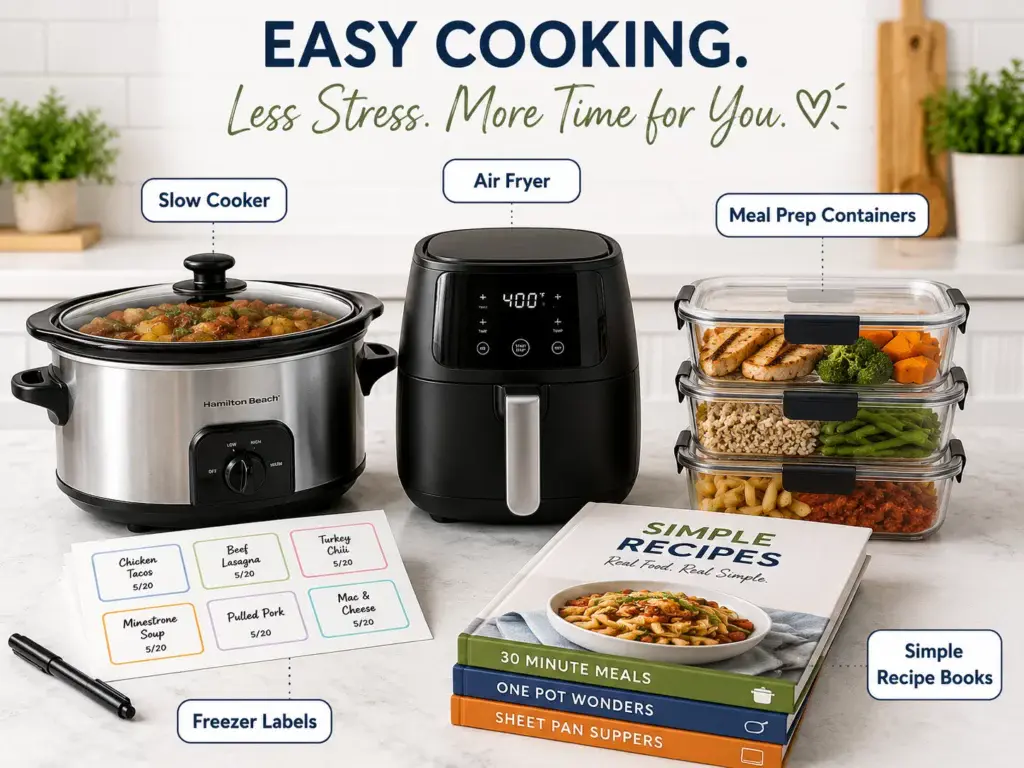
Natural recommendations could include slow cookers, air fryers, meal prep containers, freezer labels, chopping boards, basic cookware, simple recipe books or shopping planners.
But the useful website is not really about the slow cooker or the air fryer.
It is about the tired person standing in the kitchen thinking:
“What can I make tonight that is easy, affordable and not another takeaway?”
That is the problem.
The product only matters if it helps solve that problem.

The Same Pattern Appears in Every Niche
Darts, home organisation and easy cooking are very different subjects.
But the pattern is the same.
- Choose a niche.
- Break it into branches.
- Find the problems in each branch.
- Turn those problems into questions.
- Create helpful articles that answer those questions.
- Recommend products or resources only where they genuinely help.
Once you understand this, affiliate marketing starts to feel less like a trick and more like a helpful publishing process.
You are not chasing random products.
You are building a map of useful answers.
How to Build a Niche Problem Map
A niche problem map is simply a structured breakdown of the questions, problems and goals inside a niche.
You can build one manually, with AI, or with a mixture of both.
Here is a simple process.
Step 1: Pick a Niche
Choose a topic, hobby or area of knowledge.
For example:
- Darts for beginners
- Easy cooking for busy people
- Home organisation for small houses
- Garden projects for small patios
- Beginner photography
- Bird feeding for beginners
- Simple home fitness
The niche does not have to be perfect at this stage. You are exploring.
Step 2: Ask AI to Brainstorm the Main Branches
AI can be very useful at the early brainstorming stage.
You could use a prompt like this:
Prompt:
“Break the niche of [your niche] into the main areas where beginners have questions, problems or decisions to make. Organise it as a simple topic tree.”
For example, if the niche is darts, AI might suggest:
- Equipment
- Board setup
- Throwing technique
- Scoring
- Checkouts
- Practice routines
- Competitions
- Watching professional darts
That gives you a starting structure.
Step 3: Turn Each Branch Into Questions
Next, take each branch and ask:
“What would a beginner actually ask here?”
For darts equipment, they might ask:
- What darts should beginners buy?
- What weight darts should I use?
- What are dart flights?
- How long do dart stems last?
- Do expensive darts make a difference?
Each question could become a future article.
Step 4: Check Whether Real People Are Asking Similar Questions
AI is useful for brainstorming, but you also want to check real-world demand.
Look at places where people naturally ask questions:
- Google autocomplete
- Google People Also Ask
- Quora
- Facebook groups
- YouTube comments
- Pinterest autocomplete
- Forums
- Amazon reviews
You are looking for the language real people use.
For example, a beginner may not search for:
“optimised dart barrel selection.”
They are more likely to search:
“what weight darts should I use?”
That difference matters.
Step 5: Build the Tree
Now you can turn the research into a simple content tree.
For example:
- Darts
- Equipment
- What darts should beginners buy?
- What dart weight should I use?
- What are flights and stems?
- Setup
- How high should a dartboard be?
- How far away should you stand?
- What do I need for a home darts setup?
- Scoring
- How do you add up darts scores?
- How do checkouts work?
- What are the common finishes?
- Improvement
- How do I practise doubles?
- How do I throw more consistently?
- How do I track my progress?
- Equipment
That is no longer just a vague niche idea.
It is the beginning of a content plan.
Every Real Question Is a Possible Article
Once you have a niche map, writing content becomes much less mysterious.
You are no longer staring at a blank screen thinking:
“What should I write about?”
You have real questions to answer.
For example:
| Question | Possible Article |
|---|---|
| What dart weight should a beginner use? | What Dart Weight Should Beginners Use? A Simple Guide |
| How do I organise storage boxes? | How to Organise Storage Boxes So You Can Actually Find Things |
| What can I cook when I am tired after work? | Easy Meals for When You Are Too Tired to Cook |
| How do I make video calls look better? | Simple Ways to Make Your Video Calls Look More Professional |
| Why are birds not using my feeder? | Why Birds Might Be Ignoring Your Garden Feeder |
This is where a helpful website starts to take shape.
Not from random product promotion.
From real questions.
Where Do Product Recommendations Fit?
Product recommendations fit best when they help the reader take the next step.
If the article is:
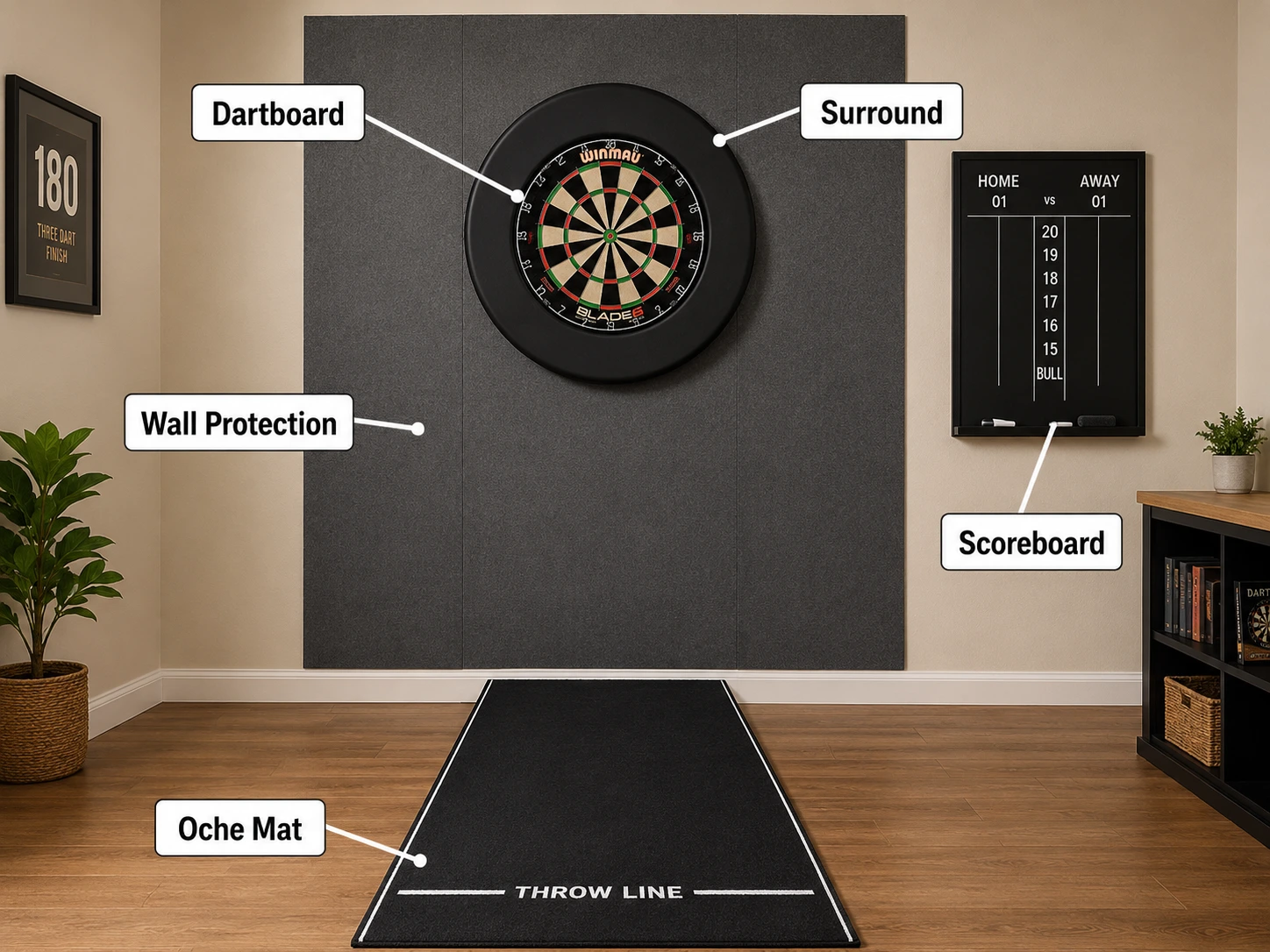
How to set up a dartboard at home
then it may naturally mention:
- a dartboard
- a surround
- an oche mat
- wall protection
- a scoreboard
If the article is:
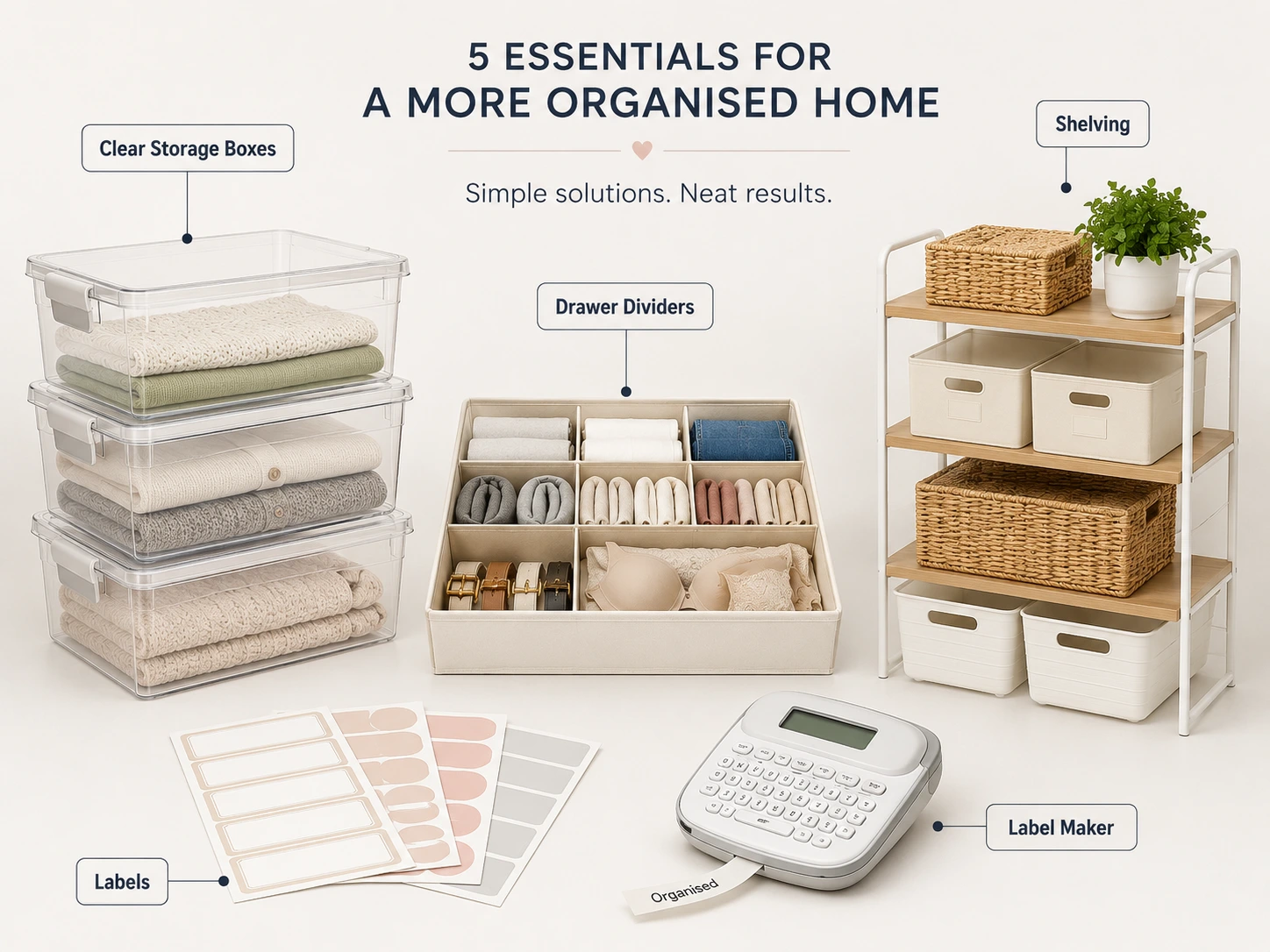
How to organise craft supplies
then it may naturally mention:
- clear storage boxes
- drawer dividers
- labels
- a label maker
- shelving
If the article is:
How to make weekday dinners easier
then it may naturally mention:
- a slow cooker
- an air fryer
- meal prep containers
- freezer labels
- simple recipe books
The product recommendation is not being forced into the article.
It belongs there because it helps solve the problem.
Why This Builds More Trust
People are tired of being sold to.
They are surrounded by adverts, sponsored posts, thin reviews and pushy product recommendations.
So if your website feels like it only exists to make a commission, readers will sense that quickly.
But if your website helps them understand their problem, compare their options and take a sensible next step, the recommendation feels different.
It feels like part of the help.
That is the kind of affiliate marketing I think makes sense now.
Helpful first. Commercial second.
Try This: Build Your Own Niche Problem Map
Now try the exercise yourself.
Choose one hobby, interest or area of knowledge.
It could be something you already know well, or something you are genuinely interested in learning more about.
Then work through these steps.
Step 1: Choose a Niche
Examples:
- Darts
- Bird feeding
- Small garden projects
- Home organisation
- Beginner photography
- Easy cooking
- Fitness at home
- Computer basics
- Crafting
- Local walking routes
Step 2: List the Main Branches
Ask yourself:
“What are the main areas within this niche?”
For example, a bird feeding niche might include:
- Choosing a feeder
- Where to place the feeder
- What food to use
- Attracting different birds
- Keeping squirrels away
- Cleaning and hygiene
- Seasonal feeding
- Beginner bird identification
Step 3: Find Problems in Each Branch
Ask:
“What goes wrong here?”
For bird feeding, problems might include:
- Birds are not using the feeder
- Squirrels are stealing the food
- The food gets wet
- The feeder is hard to clean
- The wrong birds are dominating the feeder
- The garden does not feel safe for birds
Step 4: Turn Problems Into Questions
Now turn each problem into a search-style question:
- Why are birds not using my feeder?
- How do I stop squirrels stealing bird food?
- Where is the best place to put a bird feeder?
- How often should I clean a bird feeder?
- What food attracts garden birds?
Step 5: Check Real Sources
Search around and see whether people are actually asking similar questions.
Use:
- Google autocomplete
- People Also Ask
- Quora
- Facebook groups
- YouTube comments
- Pinterest autocomplete
Pay attention to the words people use.
That language can become your article titles, headings and pin ideas.
Step 6: Turn Questions Into Article Ideas
For example:
- Question: Why are birds not using my feeder?
- Article: Why Birds Might Be Ignoring Your Garden Feeder
- Question: How do I stop squirrels stealing bird food?
- Article: Simple Ways to Stop Squirrels Taking Over Your Bird Feeder
- Question: Where should I put a bird feeder?
- Article: Where to Place a Bird Feeder So Birds Feel Safe
Step 7: Add Products Only Where They Help
Once the article idea is clear, then think about products or resources.
For example:
If the article is about squirrels stealing bird food, a squirrel-resistant feeder may fit naturally.
If the article is about feeder placement, a feeding station, hanging bracket or window feeder may fit naturally.
If the article is about cleaning, a bird feeder cleaning brush or spare feeder may fit naturally.
But the article should not exist just to sell those things.
It should exist to help the reader solve the problem.
Leave a Niche Idea in the Comments
If you want to practise this, try it with your own hobby or interest.
Pick a niche and write down three problems people might have in it.
For example:
- Niche: Darts
- Problem 1: Beginners do not know what darts to buy
- Problem 2: Players struggle to learn the scoring
- Problem 3: People do not know how to practise properly
Or:
- Niche: Home organisation
- Problem 1: People cannot find things in storage boxes
- Problem 2: Paperwork piles up
- Problem 3: Craft supplies are scattered everywhere
If you can find real problems, you can start finding useful content ideas.
And if you can create genuinely useful content, product recommendations can follow naturally.
The Simple Version
A helpful affiliate website is not built by randomly choosing products and forcing articles around them.
It is built by understanding a niche deeply enough to see the problems people have inside it.
The simple process is:
- Choose a niche.
- Break it into branches.
- Find real problems and questions.
- Create helpful content around those questions.
- Recommend products only where they genuinely help.
- Build trust over time.
That is a much better foundation than chasing quick commissions.
It is also more realistic, more useful and more enjoyable to build.
Want to Learn How to Build This Kind of Website?
Once you understand this process, the next step is learning how to turn the idea into a real website.
That means choosing a niche, building the site, publishing helpful content, attracting visitors and adding affiliate links properly.
I use and recommend Wealthy Affiliate because it gives beginners a structured way to learn website building, content creation, niche research and affiliate marketing without needing to work everything out from scratch.
The key is to approach it in the right way.
Not as a shortcut.
Not as a promise of easy money.
But as a way to build a helpful website around real problems, useful answers and natural recommendations.
Next step: Try Wealthy Affiliate with a free starter account and see how the process works.